The Moose Diving Secret!

Caroll Alvarado
| 18-06-2026
 · Animal Team
Good day, Lykkers! Most people imagine moose roaming forests, marshes, or snowy landscapes rather than exploring underwater environments.
Surprisingly, these massive mammals are skilled swimmers and can dive several meters beneath the surface of lakes and ponds.
In the Great Lakes region and other northern freshwater habitats, moose often submerge themselves in search of aquatic plants. Their remarkable diving behavior reveals a fascinating and lesser-known side of life for North America's largest deer species.
These powerful animals are not simply crossing lakes or cooling off during summer. They are entering an underwater world that plays a critical role in their survival. Beneath the surface lies a rich source of nutrition, protection, and opportunity that has shaped moose behavior for thousands of years.
A Giant Built for More Than Land
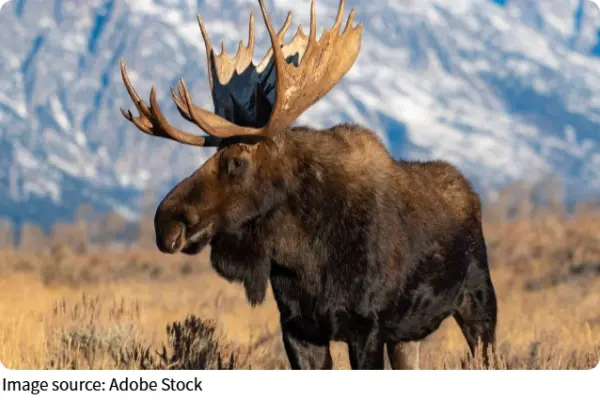
Moose are the largest members of the deer family, with fully grown bulls often weighing well over 500 kilograms. At first glance, their long legs and bulky bodies may seem poorly suited for aquatic activities. In reality, many of their physical features make them exceptionally capable in water.
Their long legs allow them to move through marshes and shallow wetlands where other large mammals struggle. Broad hooves act like natural paddles when swimming, helping propel them through lakes and ponds with surprising efficiency. Researchers have documented moose swimming long distances between islands and shorelines, demonstrating endurance that often surprises observers.
What makes these journeys even more remarkable is that moose are not merely surface swimmers. They are among the few large terrestrial mammals capable of repeatedly diving underwater to gather food from the lakebed.
The Nutritional Treasure Hidden Below
The primary reason moose dive is simple: food. During spring and summer, aquatic vegetation becomes one of the most valuable components of a moose's diet. Submerged plants contain important minerals, particularly sodium, that are often scarce in the leaves, twigs, and bark consumed on land. These nutrients support muscle function, growth, and overall health.
Species such as pondweed, water lilies, and other freshwater plants provide a nutrient-rich buffet beneath the surface. To reach them, moose lower their heads underwater and may dive several meters to pull vegetation from the bottom. Scientists have recorded moose descending to depths exceeding five meters while foraging. During these underwater feeding sessions, they can remain submerged for around 30 seconds before returning to the surface for air
Although that may not sound long compared with marine mammals, it is an impressive achievement for an animal primarily associated with forests. For moose, these dives are not occasional curiosities. During peak growing seasons, aquatic plants can represent a substantial portion of their diet.
Escaping Heat and Insects
Food is only part of the story. Moose are highly adapted to cold climates. Their dense coats provide excellent insulation during harsh winters, but they can become a disadvantage during warm weather. As temperatures rise, moose are vulnerable to heat stress.
Lakes, ponds, and wetlands serve as natural cooling stations. By standing in water or partially submerging themselves, moose can regulate body temperature more effectively than they can on land. A summer afternoon spent in a lake can significantly reduce the strain caused by excessive heat. Water also provides relief from one of the moose's most persistent seasonal challenges: insects.
Mosquitoes, black flies, and biting flies can gather in enormous numbers during northern summers. These insects consume energy, disrupt feeding, and create constant irritation. By retreating into deeper water, moose gain temporary refuge from swarms that would otherwise follow them across the landscape.
Natural Nurseries and Safe Havens
The Great Lakes region contains thousands of islands, secluded bays, and remote wetlands that offer another important advantage: security. Female moose often seek isolated locations when raising young calves. Water barriers can help reduce encounters with predators during the vulnerable first weeks of a calf's life.
Islands surrounded by lakes provide a natural buffer that allows mothers to care for their offspring with reduced risk. Calves begin learning aquatic skills at an early age. Observers frequently report young moose accompanying their mothers during long swims.
These experiences teach essential survival behaviors that will later help them navigate wetlands and locate food resources. The sight of a calf closely following its mother through open water highlights how deeply aquatic environments are woven into the species' life cycle.
Adaptations for an Underwater Lifestyle
Several specialized traits enable moose to function effectively beneath the surface. One of the most fascinating is their ability to close their nostrils while submerged, preventing water from entering their respiratory system. This adaptation allows them to browse vegetation without interruption.
Their bodies also respond physiologically during dives. Heart and breathing rates can slow, helping conserve oxygen while underwater. Combined with powerful swimming muscles and buoyant body structure, these characteristics allow moose to forage efficiently in environments that many land mammals could never exploit. Far from being accidental swimmers, moose possess a suite of adaptations that make aquatic feeding a routine part of their lives.
The Great Lakes: A Living Freshwater Network
The underwater world supporting moose is part of one of Earth's most significant freshwater ecosystems. The Great Lakes contain roughly one-fifth of the world's surface freshwater. Within these waters exists an intricate food web linking microscopic plankton, aquatic plants, fish, birds, mammals, and countless invertebrates.
Aquatic vegetation plays a particularly important role. Through photosynthesis, these plants generate oxygen, provide habitat for smaller organisms, and form the foundation of many freshwater food chains. Healthy plant communities support fish populations, which in turn sustain birds and larger predators.
Because aquatic plants are sensitive to pollution, nutrient imbalances, and temperature changes, their condition often reflects the overall health of the ecosystem. When these underwater communities thrive, species ranging from tiny aquatic insects to massive moose benefit.
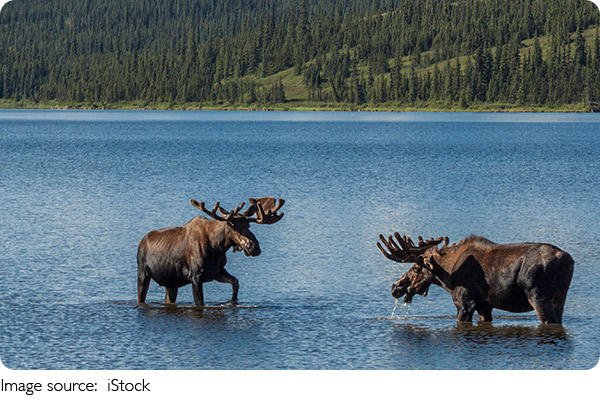
The image of a moose disappearing beneath the surface of a lake challenges common assumptions about wildlife. It reminds us that nature rarely fits into simple categories. An animal often viewed as a forest giant is also a skilled swimmer, an underwater forager, and a key participant in freshwater ecosystems.