Angle Shift

Santosh Jha
| 27-04-2026
 · Art Team
You stand in front of a sculpture and feel like you understand it at first glance.
The shape appears stable, the message clear, the presence fixed.
Then you take a few steps to the side—and something changes. A new curve appears, a hidden line emerges, and suddenly the work feels different, almost like it has shifted identity without moving at all.
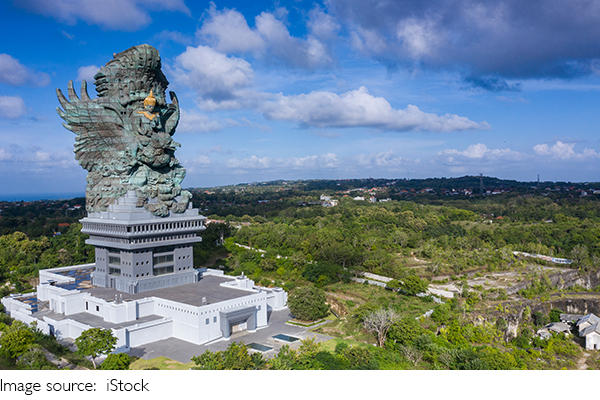
This is the quiet power of perspective.
One Form, Multiple Readings
A sculpture is never truly experienced from a single position. It exists in space, which means it naturally invites movement around it.
From one angle, it may feel balanced and calm. From another, it might appear tense or dynamic. These differences are not illusions—they are real variations in how form interacts with viewpoint.
As you move, the brain constantly reinterprets proportion, depth, and alignment. What seemed simple becomes layered.
Space Between Viewer and Object Matters
Distance changes perception just as much as direction. Standing close reveals texture and construction details. Stepping back compresses complexity into a single silhouette.
This shift alters emotional response. Close viewing feels intimate and analytical. Distant viewing feels broader and more symbolic.
The sculpture does not change, but your relationship to it does. That relationship is part of the experience.
Hidden Shapes Appear Through Movement
One of the most interesting effects of moving around sculpture is the appearance of hidden structures. Elements that are invisible from the front suddenly become essential from the side.
1. Overlapping forms reveal depth layers
2. Internal lines create unexpected direction flow
3. Negative spaces shift from invisible to dominant
These changes create a sense of discovery, as if the sculpture is gradually revealing itself rather than being fully present at once.
Visual Illusions Created by Perspective
Sculpture often plays with how the eye interprets three-dimensional space. A form that looks thin from one side may appear wide from another. A straight line can seem curved depending on viewing position.
These effects are not mistakes—they are part of how physical form interacts with human perception.
As you move, the brain continuously recalibrates what it sees, creating subtle illusions that feel natural but slightly surprising.
The Sculpture Becomes a Sequence, Not a Moment
Instead of being a single image, sculpture becomes a sequence of views. Each step around it is like turning a page in a silent visual story.
There is no single “correct” angle. Each position offers a different interpretation, and together they form a complete understanding.
This is why standing still often feels incomplete. The work is designed for movement.
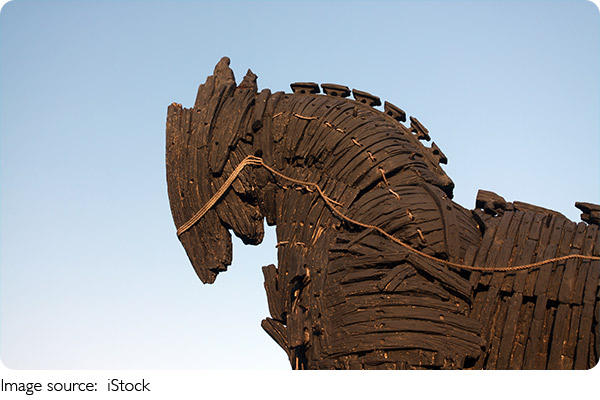
In the end, sculpture is not just about form—it is about experience in space. As you walk around it, meaning does not stay fixed. It shifts, expands, and sometimes even contradicts itself, depending entirely on where you choose to stand.