The Color Anchor

Arvind Singh
| 22-04-2026
 · Lifestyle Team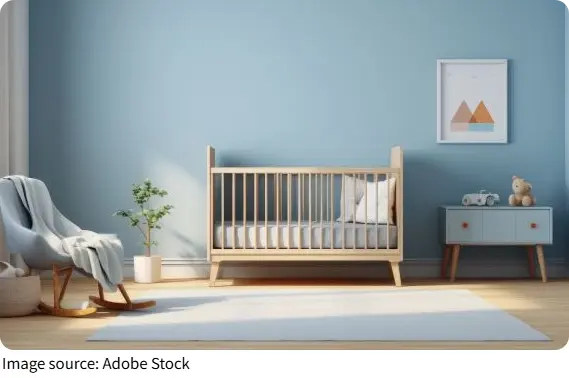
The floor is the "fifth wall" of your home, and the color you choose to cover it with will either harmonize your decor or create a jarring visual disconnect.
Choosing a rug color is a strategic blend of psychology, lighting science, and practical lifestyle management.
It serves as the emotional anchor of a room, setting a mood that can range from serene sanctuary to vibrant social hub. A well-selected hue is a "badge of prestige" that proves you understand the subtle interplay of shadow and light. However, without a steady hand in your selection process, a bold choice can overwhelm a small space, while a timid one can disappear entirely. Mastering the palette underfoot is the ultimate defensive shielding against a bland or chaotic home environment.
The Psychology of the Palette
Colors do more than just occupy space; they dictate how you feel when you enter a room. Your floor acts as a massive anchor for the room's energy, making the psychological blend of colors essential for daily well-being.
How Colors Transform Your Mood:
1. Cool Blues and Greens: These shades provide a psychological shielding against stress. They are the perfect anchor for bedrooms, promoting a sense of calm and lower heart rates.
2. Warm Earth Tones: Terracotta, soft ochre, and deep beiges create a welcoming barrier against the cold. They represent a "badge of prestige" in traditional or rustic designs, making large rooms feel intimate.
3. Neutral Grays and Creams: These act as a versatile anchor, allowing your furniture to take center stage. They provide a clean, modern blend that appeals to minimalist sensibilities.
4. Bold Jewels: Deep emerald, sapphire, or ruby tones provide a high-end shielding effect, adding a sense of luxury and "prestige" to formal dining areas or home offices.
Lighting: The Invisible Variable
A rug that looks perfect in a showroom can look completely different in your living room. Lighting is the technical anchor that shifts how we perceive pigments.
The North-South Exposure
Rooms facing North often receive "cool" blue-toned light. To maintain a balanced blend, avoid cool grays and instead choose warmer tones like camel or soft rose to act as a thermal anchor. Conversely, South-facing rooms are flooded with "warm" yellow light, which can make orange or red rugs look overly aggressive. In these spaces, cool tones provide a refreshing shielding against the sun's intensity.Artificial Light Impact
Incandescent bulbs cast a warm glow, while many modern LEDs are cooler. Before committing to a "badge of prestige" purchase, view your rug sample under both daytime sun and evening artificial light. A steady hand in testing prevents the disappointment of a rug that "turns purple" once the sun goes down.Practicality and Maintenance Realities
Your rug must survive the "impact" of your daily life. Color choice is your primary shielding against visible wear and tear.
Strategic Choices for High-Traffic Zones:
1. The Mid-Tone Advantage: Medium-intensity colors—like heather gray, sage, or "greige"—are the ultimate anchor for busy households. They hide dust and footprints better than extreme lights or darks.
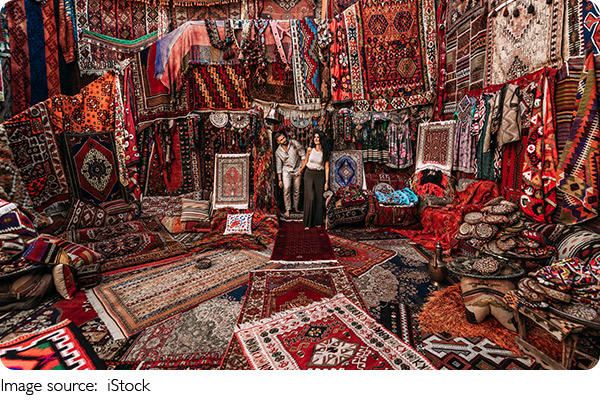
2. Patterned Camouflage: Rugs that feature a blend of three or more colors act as a visual barrier to stains. A spilled coffee or a muddy paw print is easily lost in an intricate Turkish or Persian-style pattern.
3. The Danger of Solids: Pure white or jet black rugs require a steady hand with the vacuum. White shows every speck of dirt, while black highlights every bit of lint and pet dander, acting as an anchor for visible debris.
Defining Space with Contrast
To earn your "badge of prestige" in design, you must understand the "Rule of Contrast." Your rug should provide a visual shielding that separates your furniture from the floor.
If you have dark espresso hardwood floors, a dark navy rug will vanish, creating a heavy, stagnant anchor. Instead, opt for a light cream or silver rug to create a crisp barrier that makes the furniture "pop." For light oak or tile floors, a deep, saturated color provides the necessary weight to ground the room. This blend of light and dark ensures that each element of your decor maintains its own identity within the space.
Conclusion of the Color Blueprint
In summary, the color of your rug is the most powerful tool in your interior design arsenal. It is the foundational anchor that dictates the atmosphere, manages the flow of light, and protects your home's aesthetic integrity. By choosing a hue that offers a protective shielding against daily wear while providing a sophisticated blend with your lighting, you create a home that feels both curated and comfortable. Approach your palette with a steady hand, and remember that the floor is the canvas upon which the rest of your life is painted. With the right color underfoot, every room becomes a "badge of prestige" and a true reflection of your personal style. Choose wisely, and let your floors tell a story of elegance and balance.