Facts About Oil Rigs

Ethan Sullivan
| 07-04-2026
 · Lifestyle Team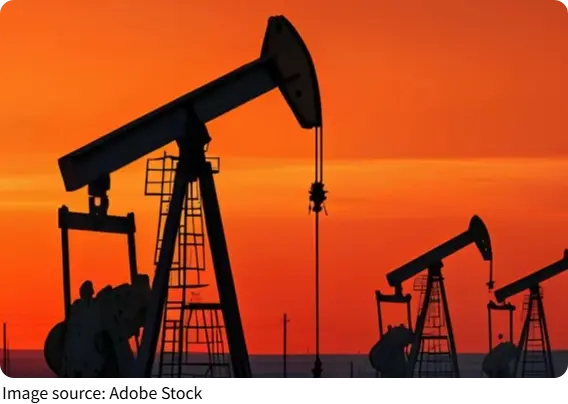
Oil rigs, or more specifically oil drilling machines, are the unsung heroes of the energy industry.
They are designed to extract crude oil and natural gas from deep beneath the Earth's surface, often from offshore locations or remote regions.
These machines are complex and powerful, operating under extreme conditions. Their contribution to our daily lives, from fueling transportation to powering industries, is indispensable, yet they often remain out of sight and out of mind for many. Let's explore some intriguing facts about oil rigs and the machinery behind oil extraction.
1. The Size and Scale
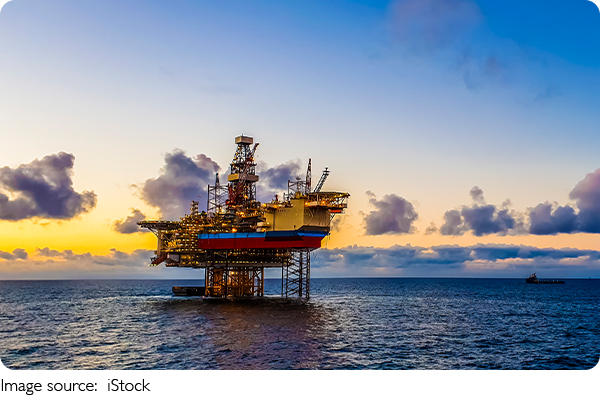
Oil rigs are massive, often towering over 200 feet above the waterline in offshore locations. In some cases, rigs can extend more than 30,000 feet below the surface. This scale allows them to drill into deep reserves of oil and gas that were once unreachable. The largest oil rigs, such as the “Hibernia” in the North Atlantic, can cost upwards of $1 billion to build, and they require thousands of workers to operate and maintain them.
2. Offshore vs. Onshore
Oil rigs can be divided into two main types: offshore and onshore. Offshore rigs are located in oceans or seas, often far from land. They require specialized platforms or floating vessels to stay operational, and the challenges they face in terms of weather and sea conditions make them some of the most advanced pieces of machinery ever built. Onshore rigs, on the other hand, are typically located on land and can be more easily accessed for maintenance. Both types of rigs have their own unique technological features designed to meet specific operational needs.
3. Sophisticated Technology
Modern oil rigs utilize cutting-edge technology that has revolutionized the industry. For example, horizontal drilling allows for oil to be extracted from locations that were once unreachable through traditional vertical drilling. This advancement has allowed oil companies to tap into previously unexplored reservoirs, maximizing extraction. Moreover, oil rigs are equipped with automated systems that can detect changes in pressure, temperature, and flow rate, ensuring optimal production and minimizing potential hazards.
4. Environmental Considerations
Oil rigs are often at the center of environmental debates due to the risks they pose to marine life and the surrounding ecosystem. However, modern rigs are designed with environmental protections in mind. For example, blowout preventers are used to prevent the uncontrolled release of oil and gas. Advances in technology have also led to more eco-friendly approaches to oil extraction, such as minimizing waste and preventing spills. Though environmental concerns remain, the industry has made strides in improving safety and sustainability over the years.
5. Safety Measures on Oil Rigs
Safety is paramount when it comes to operating oil rigs. Workers are subjected to rigorous training and must be well-versed in emergency procedures. This includes evacuations, fire suppression systems, and the use of safety equipment like life vests and helmets. Furthermore, oil rigs are equipped with redundant safety systems to ensure that the operation can continue even in the event of a mechanical failure. Despite the dangers of offshore drilling, technological advancements have significantly improved the safety of oil rig operations.
6. The Role of Workers on Oil Rigs
Oil rigs are complex environments that require a dedicated workforce to operate smoothly. Workers on these rigs come from a variety of professions, including engineers, geologists, electricians, and safety personnel. Each individual plays a crucial role in ensuring that the rig operates efficiently and safely. Life on an oil rig can be tough, with workers often spending weeks at a time in remote locations. However, the work is well-compensated, and many workers appreciate the challenge and camaraderie that come with the job.
Conclusion
Oil rigs and the machinery they use to extract oil and gas are remarkable feats of engineering. From their colossal size to the sophisticated technology that powers them, these machines have reshaped the way we think about energy extraction. As we move forward, the industry will continue to innovate, addressing both the challenges of oil extraction and the need for sustainability. The next time you encounter an oil rig, whether on land or at sea, you'll have a greater appreciation for the intricate processes and the hardworking individuals who make it all possible.