Room Makeover Tips

Declan Kennedy
| 07-04-2026
 · Lifestyle Team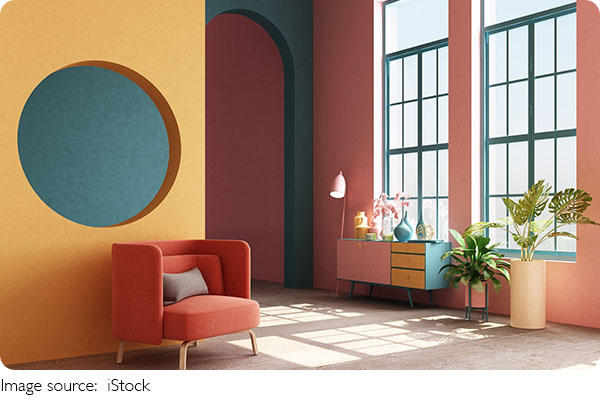
Transforming a room goes beyond simply choosing furniture. Interior decoration shapes the mood, reflects personality, and enhances functionality.
Small adjustments like wall color, window treatments, or even rearranging furniture can dramatically change a space.
By understanding design principles, anyone can create a harmonious, inviting, and practical environment tailored to their lifestyle. Thoughtful decoration improves not only aesthetics but also comfort and efficiency.
Choosing a Color Palette
Selecting the right colors sets the tone for the entire room. Warm tones, such as soft oranges, muted yellows, and beige shades, create a welcoming and energizing ambiance. Cooler shades like blues, greens, and grays promote relaxation and focus, making them ideal for bedrooms or study areas. Using a combination of base, accent, and highlight colors ensures visual balance. Adding textured wallpapers, painted patterns, or layered finishes further enhances depth, creating a dynamic and visually appealing environment.
Furniture Placement and Functionality
1. Maximize Flow
Arrange furniture to allow natural movement throughout the space. Ensure pathways remain open, avoiding overcrowding, and maintain a sense of airiness.
2. Prioritize Function
Every piece should serve a purpose. Multi-functional furniture like storage ottomans, expandable tables, and modular seating increases usability without cluttering the room.
3. Focal Points
Identify a primary focal point, such as a fireplace, a statement sofa, or an eye-catching artwork. Arrange other furniture to complement this anchor, drawing attention naturally while maintaining harmony.
Lighting and Ambiance
Layering different types of lighting transforms a room's atmosphere. Overhead lighting provides general illumination, while floor lamps, table lamps, or sconces offer targeted brightness. Accent lighting highlights key features such as paintings, sculptures, or architectural details. Choosing bulbs with appropriate color temperature affects comfort, creating a cozy, warm glow or an energetic, crisp ambiance depending on the room's purpose. Additionally, natural light through windows should be maximized, and mirrors can be strategically placed to reflect light and make the space appear larger.
Decorative Elements and Accessories
1. Textiles
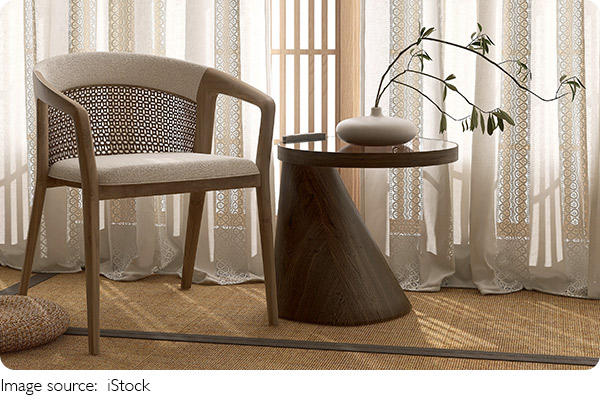
Rugs, cushions, and curtains introduce color, pattern, and texture. Coordinating these with the room's palette creates a cohesive, polished look. Layering fabrics also adds depth and visual interest.
2. Artwork and Wall Decor
Artworks and framed photographs personalize the space. Mixing frame sizes and styles adds charm, while maintaining balance ensures the room doesn't feel chaotic.
3. Plants and Natural Elements
Indoor plants add life, improve air quality, and soften harsh lines. Incorporating natural elements like wooden decor, stone planters, or woven baskets complements both modern and traditional styles.
Reflection: Creating a Space You Love
Decorating a room is both a creative and practical endeavor. Thoughtful choices in color, furniture, lighting, and accessories transform ordinary spaces into personal sanctuaries. A well-decorated room reflects your personality, inspires comfort, and enhances daily life. Every detail, from small decor pieces to furniture arrangement, contributes to an environment that feels both functional and stylish. Taking time to understand and apply these principles ensures your room is not only visually appealing but also a true reflection of your lifestyle and taste.