The Hunting Instinct in Cats

Mukesh Kumar
| 05-03-2026
 · Animal Team
Observing a domestic cat crouch low, tail twitching, eyes locked on a fluttering toy or a passing insect, it's easy to forget that even pampered indoor cats carry the instincts of their wild ancestors.
This natural drive to hunt manifests in fascinating ways, shaping behavior, play, and even the health of our feline companions.
Understanding these instincts helps owners provide better stimulation and enrichment for their pets.
Stalking: Patience in Motion
The Crouch and the Focus
Before a cat makes a move, it often crouches low to the ground, body tense, muscles coiled. This posture allows cats to remain unseen and conserve energy, mirroring the stalking behavior of wild felines. Even when indoors, cats may display this stance while observing a toy, a shadow, or even a human's hand moving across the floor.
Slow, Deliberate Movements
Cats will inch forward in almost imperceptible steps, pausing frequently to reassess their target. This slow approach improves accuracy and timing, ensuring that when the moment to pounce arrives, the strike is swift and decisive. Owners may notice these micro-pauses during interactive play sessions with laser pointers or feather wands.
The Role of Senses
Vision, hearing, and smell all contribute to a cat's stalking technique. Cats are particularly adept at detecting movement, which explains why a rolling pen or a rustling paper bag can trigger a sudden hunting response. Indoor enrichment that engages these senses can help satisfy this instinct safely.
Pouncing: Precision and Power
The Leap
Once the target is within range, cats launch into a sudden, controlled leap. This pounce demonstrates coordination between hind leg muscles and the front paws, allowing cats to land precisely on or near the intended target. Indoor cats may mimic this by leaping onto furniture or play structures during active moments.
Grip and Hold
Cats use their retractable claws to grip toys or objects, replicating how wild cats would secure prey. This behavior strengthens muscles and maintains dexterity. Providing safe toys that encourage gripping can fulfill this predatory drive.
Timing and Accuracy
A successful pounce depends on timing. Even indoor cats display impressive coordination, aligning their body, trajectory, and paw placement to intercept moving targets. Observing this can be both entertaining and informative, revealing the precision of their natural hunting instincts.
Play as Practice
Simulated Hunts
Playtime serves as a substitute for real hunting. Toys that mimic small prey allow cats to engage in stalking, pouncing, and batting behaviors safely. Regular interactive sessions not only provide physical exercise but also mental stimulation.
Energy Release
Hunting behaviors help cats expend pent-up energy, reducing stress, boredom, and potential behavioral issues. Cats that receive insufficient outlets for these instincts may develop excessive scratching or nighttime activity.
Reinforcing Natural Skills
Even though domestic cats don't need to hunt for survival, encouraging these behaviors through play maintains agility, focus, and coordination. Puzzle feeders and moving toys can keep these instincts sharp while satisfying a cat's innate needs.
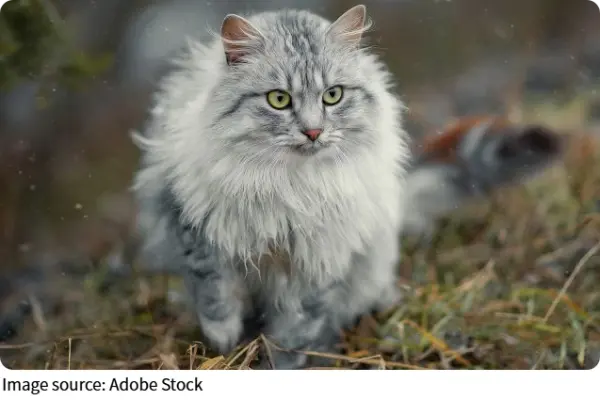
Watching a cat fully immerse itself in a playful hunt reminds us that beneath the soft fur and gentle purrs lies a finely tuned predator. By recognizing and supporting this instinct, owners can enrich their cats' lives, offering both entertainment and physical exercise.
Next time your cat crouches, stalks, and leaps, take a moment to appreciate the wild heritage still thriving in your home—it's a reminder that even the most domesticated feline carries the echoes of its ancestral hunter.