Mountain Bluebird Wonders

Liam Reilly
| 11-02-2026
 · Animal Team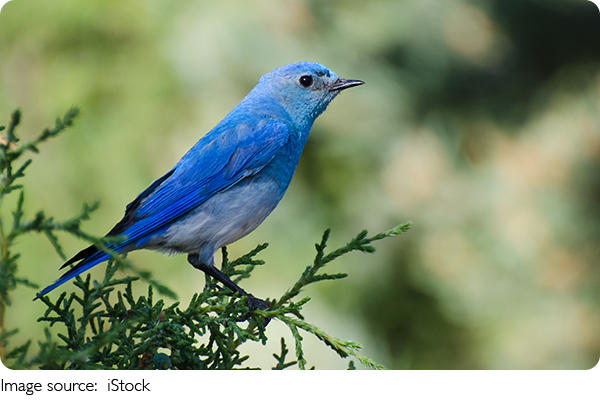
Watching a flash of bright blue dart across an open meadow can instantly lift your spirits.
That's the Mountain Bluebird, a small but striking bird whose vivid color and lively behavior make it a favorite among birdwatchers.
Despite its cheerful appearance, there's more to this bird than meets the eye, from its hunting strategies to its unique nesting habits.
Striking Appearance and Coloration
Mountain Bluebirds are easy to spot thanks to their vibrant plumage. Males are a dazzling sky blue, while females display a subtler gray-blue tone with hints of blue on their wings and tail. This difference isn't just for show—it helps birds identify mates and rivals at a distance.
Actionable example: If you're photographing these birds, aim for early morning or late afternoon light. The softer sunlight enhances the blue hues without overexposing them, making your photos pop.
Habitat and Range
These birds favor open areas with low vegetation, including meadows, grasslands, and high-altitude plains. They are commonly found in western regions during breeding season and may move slightly lower in elevation during colder months.
Actionable example: To attract Mountain Bluebirds to your backyard, consider installing a wooden nest box in an open space. Make sure it's mounted 5–10 feet off the ground with a clear line of sight for easy access and predator safety.
Diet and Foraging Behavior
Mountain Bluebirds feed primarily on insects, small invertebrates, and occasionally berries. They use a “perch-and-pounce” method, sitting on a low branch or fence post and scanning the ground for movement before swooping down to capture prey.
Actionable example: Watching their hunting technique can be educational. Set up a bench near a meadow or open yard and keep binoculars handy. You'll notice how they hover briefly or make quick dashes to secure insects like grasshoppers or beetles.
Nesting and Reproduction
These birds are cavity nesters, relying on hollow trees or nest boxes for raising their young. Females usually lay 4–6 pale blue eggs, and both parents share feeding duties once the chicks hatch. Timing is crucial—they typically breed in spring when insects are abundant, ensuring a steady food supply.
Actionable example: If installing a nest box, line it with a small amount of natural material like dried grass or pine needles. Avoid synthetic fillers, as they can trap heat or moisture, creating an unsafe environment for chicks.

Social Behavior and Communication
Mountain Bluebirds are generally gentle and non-aggressive, often forming loose flocks outside the breeding season. They communicate using soft, melodious calls that can range from a high-pitched “cheer” to a rolling chatter during courtship.
Actionable example: Learn to identify their calls. Spending time listening to recordings before heading out can help you recognize their presence even when they are perched high or partially hidden in shrubs.
Seasonal Movements and Adaptations
While not true long-distance migrants, Mountain Bluebirds adjust their location depending on weather and food availability. In winter, they may descend to lower elevations, forming small groups to forage together. Their adaptability to different altitudes and temperatures helps them survive in variable climates.
Actionable example: During winter birdwatching trips, focus on open fields and lightly wooded valleys. These areas often attract small flocks of Mountain Bluebirds searching for insects or berries that persist through the colder months.
Watching Mountain Bluebirds is a reminder that even small creatures bring vibrancy to their surroundings. Their brilliant color, graceful flight, and attentive behavior showcase the subtle wonders of nature. By observing them carefully and providing safe habitats, we can help ensure these cheerful birds continue to brighten our meadows and open landscapes for years to come.